
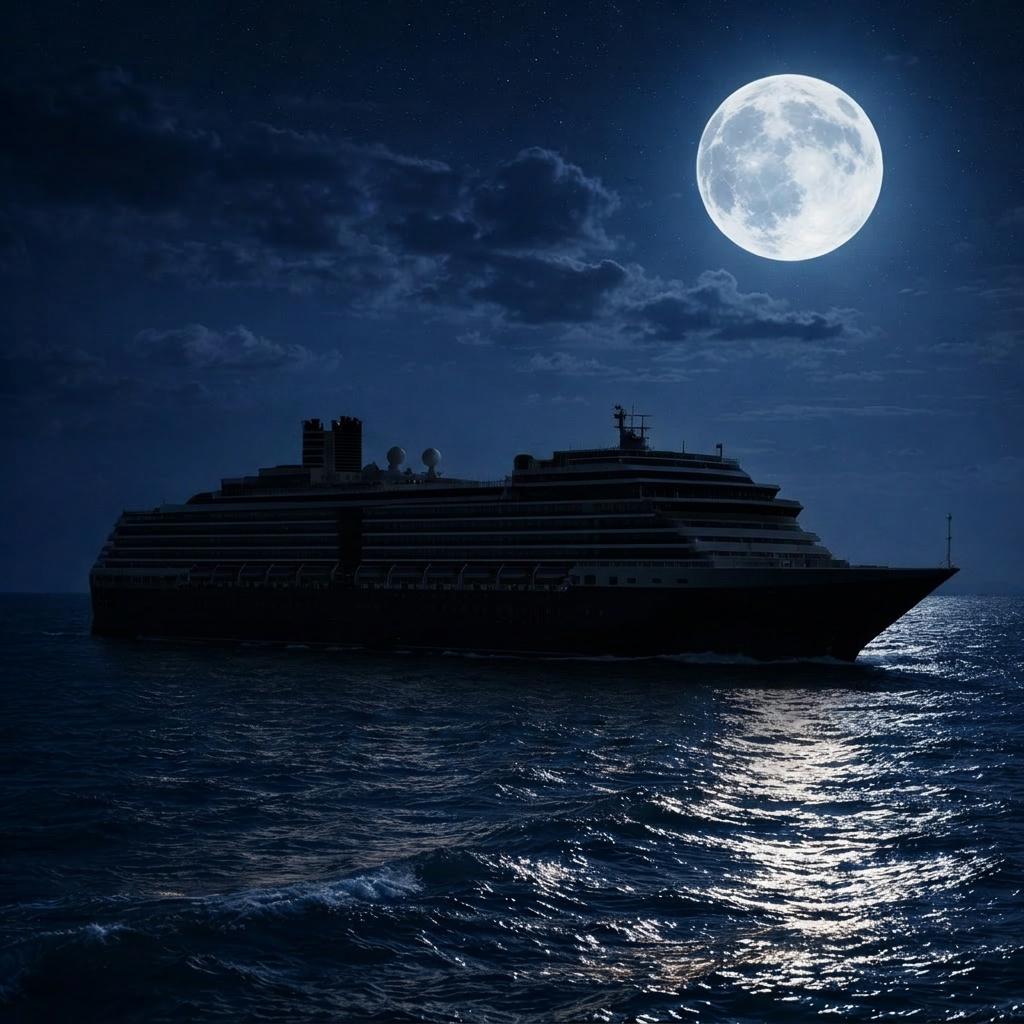
Netflix didn’t just revisit the Carnival Triumph incident with Trainwreck: The Poop Cruise – it tested something far more interesting. Whether one of the most infamous moments in modern cruising could still dent an entire industry, more than a decade on.
When the documentary dropped in 2025, it revived global interest in the 2013 Carnival Triumph incident, when an engine‑room fire disabled power on board, leaving the ship adrift without air‑conditioning, working toilets or refrigeration for several days while passengers improvised and the world watched on social media.
For many people, it brought back half‑remembered images and anecdotes – improvised toilets, sweltering cabins and a makeshift camp on deck. It’s the kind of scenario communications teams quietly hope they never have to manage.
It’s also a reminder that sometimes, in travel, the “ship” really does hit the fan.
But what’s fascinating from a PR perspective isn’t the crisis itself – it’s what happened next. Because despite the notoriety, the memes and the renewed commentary sparked by Netflix, the cruise industry didn’t falter. It didn’t lose public confidence. It didn’t experience long‑term reputational decline.
In fact, it continued to grow.
So why didn’t one of the most talked‑about travel mishaps in recent memory sink an entire industry? And why did the documentary feel more like a cultural moment than a consumer red flag?
Here’s what the PR lens reveals.
A crisis retold, not a crisis reopened
Timing often shapes perception more than content. By the time Netflix revisited the Triumph incident, a full decade had passed. That distance changed the emotional weight of the story. It became something people watched with curiosity, not concern. A window into travel chaos, not a prediction of travel risks.
It became something people watched with curiosity, not concern. A window into travel chaos, not a prediction of travel risks.
The Trainwreck format is also intentionally retrospective. These are stories that belong to the past – self‑contained, fully resolved and contextualised. That framing alone signals to audiences that the industry has moved on, learned lessons and strengthened operations since.
Consumers are very good at distinguishing “this happened back then” from “this could happen now”.
And the cruise sector of 2025 was not the cruise sector of 2013.
Reputation equity: the invisible lifeboat
Reputation isn’t built in the moment of crisis – it’s built quietly over years of consistency.
Before the Triumph ever left port, consumer perception of cruising was shaped by:
- Strong safety records
- High customer satisfaction
- Loyal repeat travellers
- Innovation that made cruising increasingly accessible and varied
- The emotional pull of exploring multiple destinations without the stress of airports
This created a reputational buffer – a thick layer of goodwill and reliability that allowed the public to treat the Triumph as an exception, not a rule.
In crisis and reputation management, this build‑up of trust matters enormously. It’s why some headlines stick and others dissolve. It’s why entire industries can withstand even the most sensational stories.
The cruise industry didn’t escape damage because of luck. It survived because of reputation equity.
Why nuance mattered
One of the documentary’s strengths is the way it shows the human complexity behind the disruption. Interviews capture real reactions – frustration, fear, humour (the red biohazard bags are hard to forget), and resilience. Crew perspectives add balance.
Viewers don’t walk away feeling judgemental. They walk away understanding.
Modern audiences don’t just want villains and victims. They want context. They want to understand how things went wrong and what changed afterwards.
Modern audiences don’t just want villains and victims. They want context. They want to understand how things went wrong and what changed afterwards.
By spotlighting lessons learned – engineering fixes, safety upgrades, regulatory enhancements – the documentary ends up reinforcing a crucial message:
The industry didn’t stand still. It evolved.
Travel is emotional – and emotion outlast headlines
People don’t book cruises for rational reasons alone. They book them for emotional ones: family time, escape, stress‑free itineraries, sunshine, the buffet!
Those feelings are powerful.
Powerful enough that even a documentary centred on a spectacular crisis doesn’t fundamentally shift demand.
Some viewers finish disaster documentaries thinking, “That looked awful”.
Others think, “Still… I’d quite like to go on a cruise.”
This is human psychology at work. Drama entertains us, but it doesn’t always deter us. We’re very good at separating spectacle from reality.
Cruising benefits from exactly that dynamic.
When social media rewired crisis comms
The Triumph incident was one of the first major travel crises shaped in real time by social media. Passenger photos, shaky videos and first‑hand accounts travelled faster than official statements ever could.
It was a wake‑up call across travel: brands don’t break stories anymore – customers do.
But over time, that reality strengthened the industry. It accelerated safety reforms, forced greater transparency and helped travel brands build faster, more agile communications.
So by the time Netflix revisited the story, the industry had already adapted. Passenger‑shot footage and instant scrutiny were no longer shocks – they were the norm.
The documentary felt like a retrospective, not a revelation.
Learning, action, credibility
Following the Carnival Triumph incident, Carnival and the wider cruise industry implemented significant changes. These included strengthened onboard safety systems and emergency response practices, alongside the introduction of the Cruise Passenger Bill of Rights in 2013, setting out clearer protections for passengers in the event of serious disruption.
That mattered.
Because people don’t expect perfection from brands. They expect responsibility.
And when mistakes lead to learning – and learning leads to action – trust follows.
Crisis communications can put out the fire. Reputation management makes sure it never burns the house down.
In 2013, crisis comms stabilised the immediate fallout. What protected the industry long‑term was everything else: decades of positive experiences before, and years of operational improvement after.
In 2013, crisis comms stabilised the immediate fallout. What protected the industry long‑term was everything else: decades of positive experiences before, and years of operational improvement after.
Crises don’t define industries. Consistency does.
So why didn’t this documentary sink the cruise industry?
Because consumers saw:
- A resolved historical event
- A single incident, not a pattern
- Clear evidence of industry improvement
- Millions of safe, enjoyable cruises since
- A category with deep emotional appeal
- A story framed as entertainment, not a warning
People don’t stop flying because a documentary shows a storm‑battered plane.
They don’t stop hiking because a film follows a climber’s misstep.
And they don’t stop cruising because one ship, once, had a crisis.
They watch.
They process.
And often, they book.
Final thought
Documentaries dramatise moments. Reputation is built over years.
And in cruising, the balance of those stories still overwhelmingly works in the industry’s favour.
The stories customers tell about their holidays, year after year, are what truly shape trust. And in cruising, those stories remain overwhelmingly positive.
Author: Lorraine Bryant, CIPR Crisis Network member & TUI UK&I Senior PR Manager
Image: AI generated
Discover more from
Subscribe to get the latest posts sent to your email.