Who could have missed the craze for turning yourself into a Mattel-style action figure? Until recently, these colourful, quirky and uncannily realistic Al-generated images were popping up on every social platform going. Our family, friends and countless celebs have been immortalised as plastic packaged toys, complete with snappy names and pointless accessories. But these vanity … Continue reading The risk of our reliance on data centres – the challenge for crisis communicators
Netflix didn’t just revisit the Carnival Triumph incident with Trainwreck: The Poop Cruise – it tested something far more interesting. Whether one of the most infamous moments in modern cruising could still dent an entire industry, more than a decade on. When the documentary dropped in 2025, it revived global interest in the 2013 Carnival … Continue reading Why ‘Trainwreck: The Poop Cruise’ didn’t sink the cruise industry – a PR perspective
This week I joined the CIPR Crisis Communications Network for the latest in its "In Conversation With..." webinar series, this time featuring Dr Tony Jaques. Having navigated a diverse range of crisis comms situations over the last 20 years, I always enjoy sessions on this topic, but Tony's talk has to be one of the … Continue reading Stormy Seas and Icebergs: Redefining the Line Between Issues and Crises
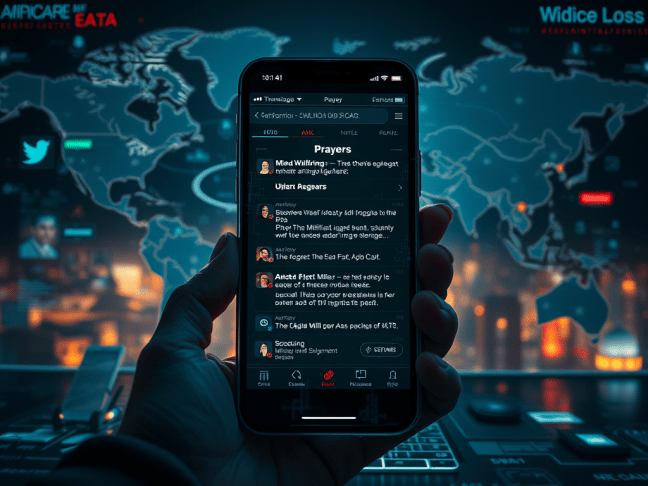
The war that escalated on 28 February 2026 has compressed years of theoretical discussion about information warfare into a matter of days. For communications professionals, it offers a live case study in what happens when the assumptions underpinning crisis plans meet reality — and how quickly those assumptions can fail. A prayer app as a … Continue reading What the 2026 Middle East War Is Teaching Us About Communications
The effectiveness of crisis communications is rooted in proactive preparedness rather than reactive response. Organisations must integrate communications teams into decision-making processes before crises arise. By building reputations and relationships over time, they can better withstand challenges. Success in crises depends on prior investments in integrity and stakeholder trust.